Best Detangling Tool for Your Hair and Routine
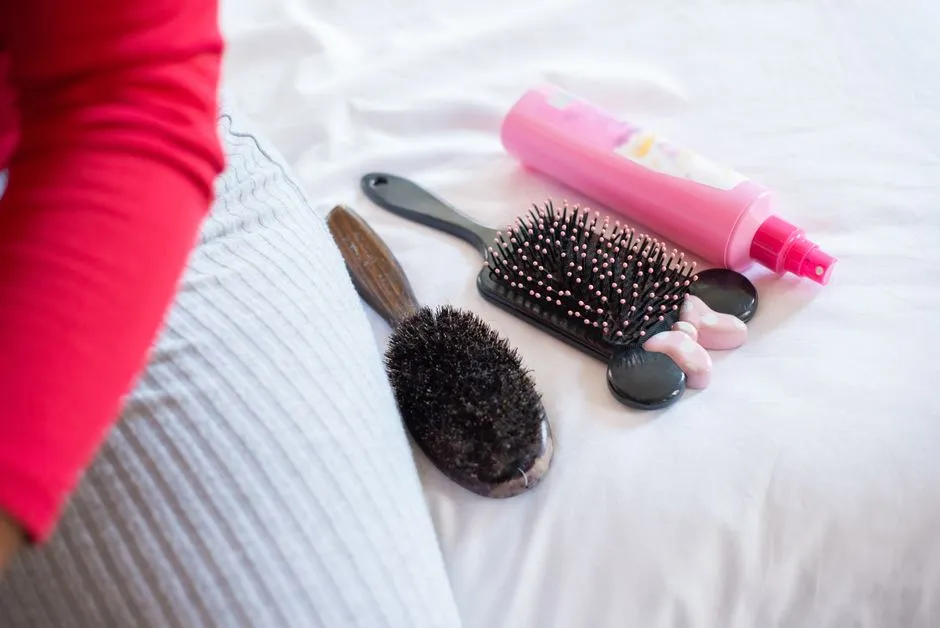
- A smooth wide-tooth comb is the most flexible starting point
- Top picks at a glance
- How the categories were evaluated
- Best overall control: wide-tooth comb
- Best for dense conditioned sections: flexible brush
- Best for dry smoothing: cushioned paddle brush
- Best first response to one knot: fingers
- Match wetness to texture and condition
A smooth wide-tooth comb is the most flexible starting point
For controlled section-by-section detangling, a smooth wide-tooth comb is the strongest general starting category. A flexible detangling brush may suit dense, conditioned sections when speed matters. A cushioned paddle brush can work for dry smoothing on straighter or gently wavy hair. Fingers are useful for isolating a stubborn knot before any tool arrives.
These are category recommendations, not product tests. Vitalize Hair Edit sells nothing, and no detangling tool is claimed to grow hair or treat hair loss.
Top picks at a glance
| Best for | Tool type | Why it fits | Worth knowing |
|---|---|---|---|
| Controlled detangling | Smooth wide-tooth comb | Low tooth density makes snags easier to feel and isolate | Slow on very dense sections; rough seams can still catch |
| Dense conditioned sections | Flexible detangling brush | Multiple flexible rows can distribute force across a section | Bristle stiffness and flex vary; wrong technique can pull quickly |
| Dry smoothing | Cushioned paddle brush | Broad surface handles longer straight or wavy sections | Not ideal for attacking tight knots or every curl pattern |
| Stubborn individual knots | Fingers | Maximum feedback and no hard edge | Time-consuming and not precise for final smoothing |
How the categories were evaluated
The useful criteria are tactile and visible:
- Smooth teeth or bristles without sharp seams
- Spacing and flexibility appropriate to texture and density
- Control when working from ends upward
- Grip with wet or product-coated hands
- Ability to clean and dry the tool fully
- Resistance to cracked teeth, lost tips, and trapped residue
- Performance on the hair in its intended wet, damp, or dry state
A “gentle” label does not override a tool that repeatedly catches. The hair tools collection treats the user's required force as evidence.
Best overall control: wide-tooth comb
Why it earns the pick
Widely spaced teeth enter a small section without gathering as many strands at once. That makes it easier to stop at resistance, hold the hair above the knot, and work the ends before moving toward the roots. It is especially practical with conditioner or detangler when wet handling suits the texture.
Choose rounded, polished teeth and inspect the spaces for molding seams. A shower comb should be made for wet use and have a shape that can be rinsed and dried completely.
Worth knowing
It can be slow on dense hair, and a cheap rough edge defeats the entire reason for choosing it. Fine teeth added at one end are not always useful during detangling.
Best for dense conditioned sections: flexible brush
Why it earns the pick
Flexible rows or bristles can bend as resistance rises instead of holding every strand rigidly. The broad head may move through a prepared section faster than a comb. Use plenty of slip, small sections, and slow strokes from ends upward.
Flexibility varies enormously by design. Test a small hidden section and listen for snapping or feel for repeated catching rather than assuming a curved silhouette guarantees kindness.
Worth knowing
Speed can hide force. A brush moving quickly through a large section may pull before the user notices, and dense bristle bases can trap product or lint.
Best for dry smoothing: cushioned paddle brush
Why it earns the pick
A broad cushioned base can smooth long straight or wavy hair and distribute contact over a larger area. Rounded intact tips matter. Use it after major tangles are already separated, not as a rake beginning at the scalp.
Worth knowing
It may disrupt defined curls, create static, or collect too much hair in one pass. Missing ball tips or bent pins are retirement notices, not personality.
Best first response to one knot: fingers
Why it earns the pick
Fingers feel exactly where strands cross and can tease a knot apart from its edges. Add a compatible conditioner or detangler when appropriate, support the section above the knot, and separate a few strands at a time.
Worth knowing
Finger detangling takes time and nails or rings can snag. Smooth rough nails, remove catching jewelry, and do not pull until the knot becomes smaller through negotiation.
Match wetness to texture and condition
Many tightly curled or textured heads are commonly detangled wet with conditioner. Some straighter hair is more vulnerable to brushing when saturated and may respond better after partial drying. Chemically processed, heat-damaged, or already fragile hair may need individualized advice.
Our gentle wash-day routine places detangling inside the full sequence. Start with a small section and observe what actually reduces force.
Clean tools according to their material and manufacturer instructions. Remove shed hair, wash away compatible residue, dry fully, and never share unclean tools where scalp or skin conditions could spread. Replace cracks, roughness, exposed pins, and stubborn buildup.
Finally, separate breakage management from growth claims. A calmer detangling routine can preserve existing length. It cannot diagnose sudden shedding or persuade a follicle with an inspiring brush handle.